Efficient Global Multi-Project Management with BCS
Case Study by Proalpha Group GmbH
With BCS, we were able to bring together key project, resource, and controlling processes on a shared platform, sustainably increasing the transparency and controllability of our international project business.
Proalpha Group – A Digitalization Partner in International Project Business
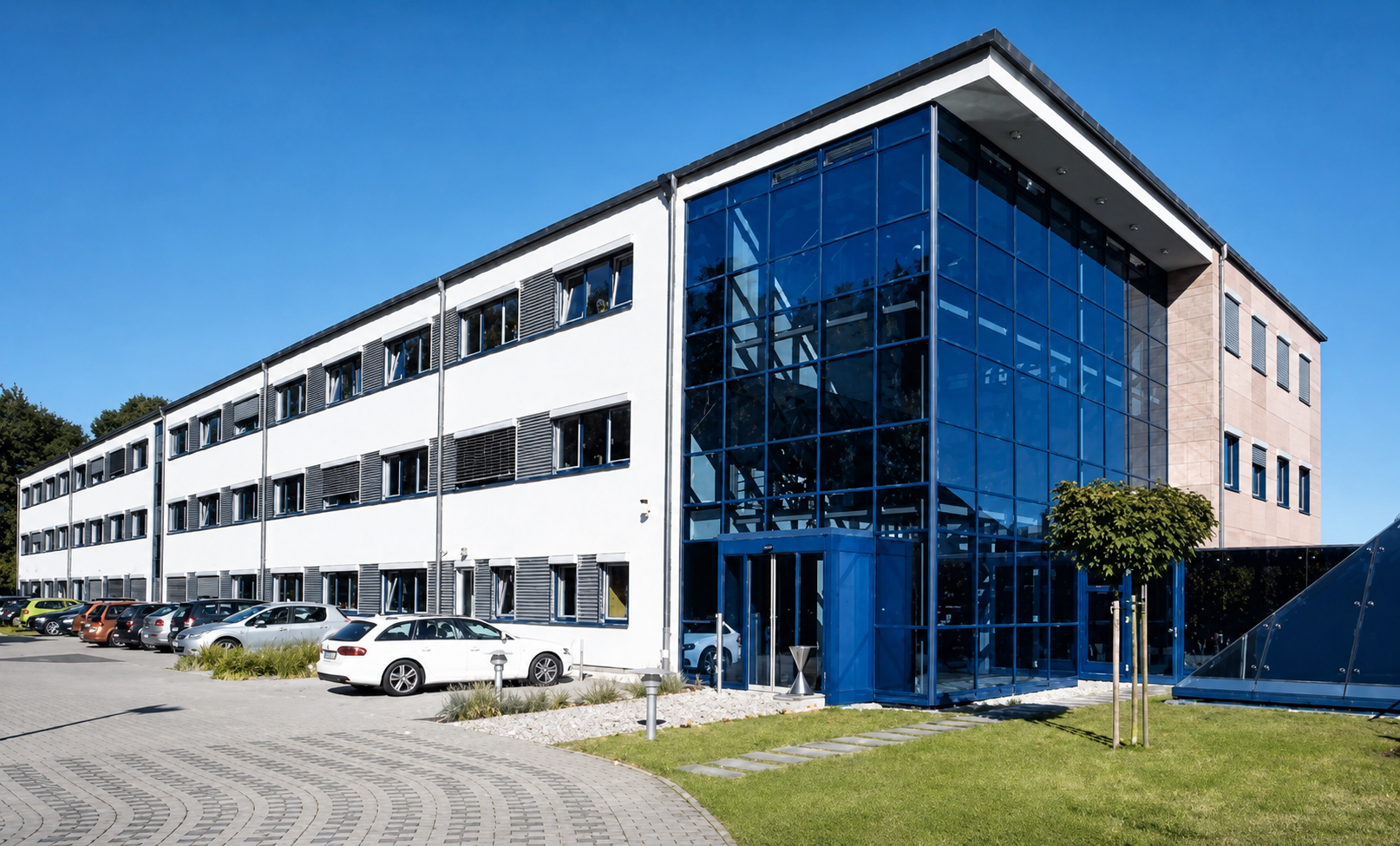
For more than three decades, Proalpha has been the digital sparring partner for mid-sized businesses worldwide, with 66 locations and more than 2,500 employees. For more than 17,500 customers from manufacturing, wholesale, and other industries, the powerful ERP and business applications of Proalpha Group and its partners form the digital backbone of the entire value chain. Proalpha ensures the intelligent networking and efficient control of all business-critical systems and core processes.
In increasingly competitive markets, it is also essential to optimally integrate upstream and downstream processes. That is why the various business applications of Proalpha Group, together with its more than 300 partners, support customers precisely in the areas that are of central importance to their business.
For some of the approximately 2,500 employees of Proalpha Group, BCS is one of the key tools in their daily work: As a central project management solution, it provides comprehensive support throughout the software lifecycle together with our partners and customers from the sectors mechanical and plant engineering, automotive, metal processing, as well as wholesale and electrical engineering and medical technology.
For managing and billing services, activity recording, expense management, and, in particular, the ticket module are used in addition to project management.
From an In-House Tool to an Integrated Platform
Before implementing BCS, we used an in-house project management tool called “goLive!”. This system had been in use for many years and was maintained internally. However, as the company grew, internationalization expanded, and project complexity increased, this solution reached its limits.
Our project landscape is characterized by a multi-project environment with around 500 ongoing projects per year. These include both new ERP implementations with a typical duration of about 18 months and update projects lasting 9 to 12 months. These projects are handled by interdisciplinary teams that collaborate across various locations.
One of the biggest challenges was maintaining an overview of this extensive project portfolio. In particular, multi-project management and portfolio controlling were only possible to a limited extent with the existing resources. Many analyses were performed in Excel, which required manual maintenance and did not provide real-time transparency.
Added to this were structural challenges: Our strong inorganic growth through acquisitions and the integration of new companies resulted in a heterogeneous system landscape with varying processes and tools. The goal was therefore to replace these “siloed solutions” and create a unified platform.
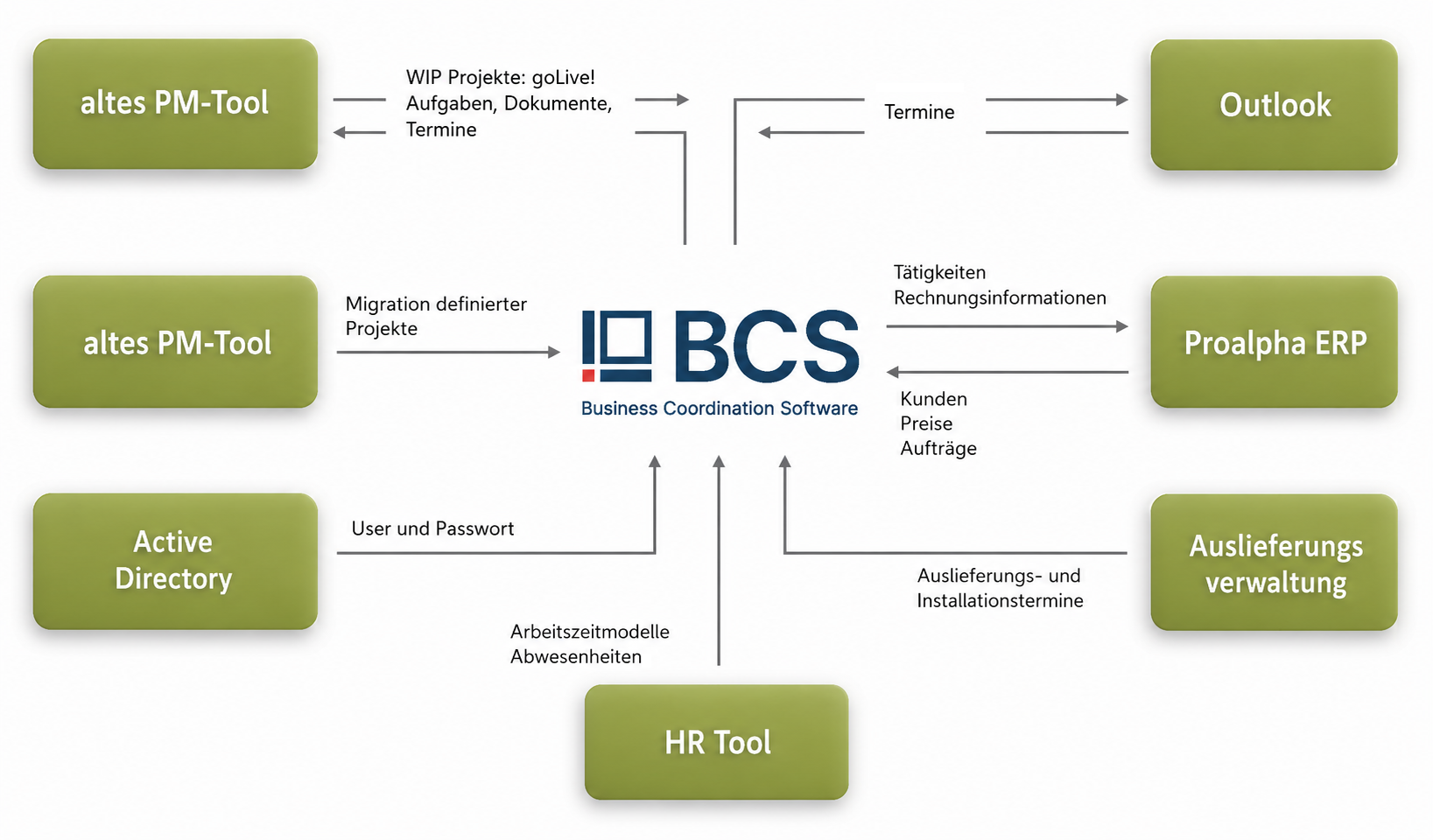
Another key aspect was integration into our existing IT landscape, which is largely built around our own ERP system. The new project management tool was intended to fit seamlessly into this environment and, ideally, consolidate multiple business processes into a single system.
The most important requirements therefore included:
Standardization of processes
Transparency across the entire project portfolio
Integration of project management, time tracking, billing, and controlling
Support for international collaboration
Real-time data and robust reporting
However, the introduction of a new system meant not only a technological transition but also a fundamental change in the way we work. In particular, the migration of core business processes such as billing, resource planning, and travel expense management to a new system posed a major challenge.
The Path to BCS
We conducted a structured search for suitable software through a request for proposals with the support of an external consulting firm. We compared several solutions and created a list of requirements that vendors had to review in advance.
Project and portfolio management, resource management, cost control, and web-based access were particularly important to us. In addition, the solution needed to be flexibly customizable, integrate various project processes, and support cross-departmental collaboration.
We became aware of BCS because our Corporate Organization management team was already familiar with Projektron from an event and included the solution in the RFP.
In the end, BCS convinced us both technically and economically. BCS met our requirements very well and was also more competitively priced than other competitors. Another important factor was that Projektron focuses on exactly one product and brings many years of experience in the field of project management software.
Selection Process and BCS Implementation Under Time Pressure
The selection of a suitable system was based on a comprehensive internal scoping process. We began by identifying the processes and requirements that needed to be supported in the future. These included, among others:
Order-to-Cash processes
Expense and travel expense reporting
Preliminary order costing
Portfolio management
Project management in a multi-project environment
Corporate management and controlling
Resource management
Based on this, we conducted a structured selection process in which various software solutions were evaluated. The vendors were compared using a scoring model, and identified gaps were analyzed jointly in workshops.
As part of this process, the decision was made in favor of Projektron GmbH and its BCS solution. The decisive factors were the solution’s comparatively high coverage of our requirements and the system’s flexibility regarding future customizations and integrations.
A particularly important factor was BCS’s web-based architecture. Unlike our previous tool, it enabled location-independent access and use on various end devices. This was particularly important for our internationally distributed teams.
The implementation began in 2019 with a so-called “beauty contest” among the final vendors. Following the decision in May 2019, the contract was signed in August of the same year. The technical setup, including licensing and integration with our Active Directory, was completed as early as September.
The official launch of BCS took place on June 1, 2020. We deliberately opted for a “Big Bang” rollout, in which all essential processes went live simultaneously. At the same time, the rollout proceeded step-by-step across our national subsidiaries, starting with the DACH region, followed by other countries such as Hungary, Poland, France, and the U.S.
The implementation phase was challenging and got off to a rocky start, particularly at the beginning. The ambitious timeline and the simultaneous migration of many critical business processes led to challenges in live operation. It took about 6 to 12 months for the situation to stabilize.
To prepare employees for the new way of working, we conducted extensive training initiatives. These included step-by-step guides, FAQ documents on the intranet, and regular support sessions in the first few months after go-live.
BCS in Action: A Central Platform
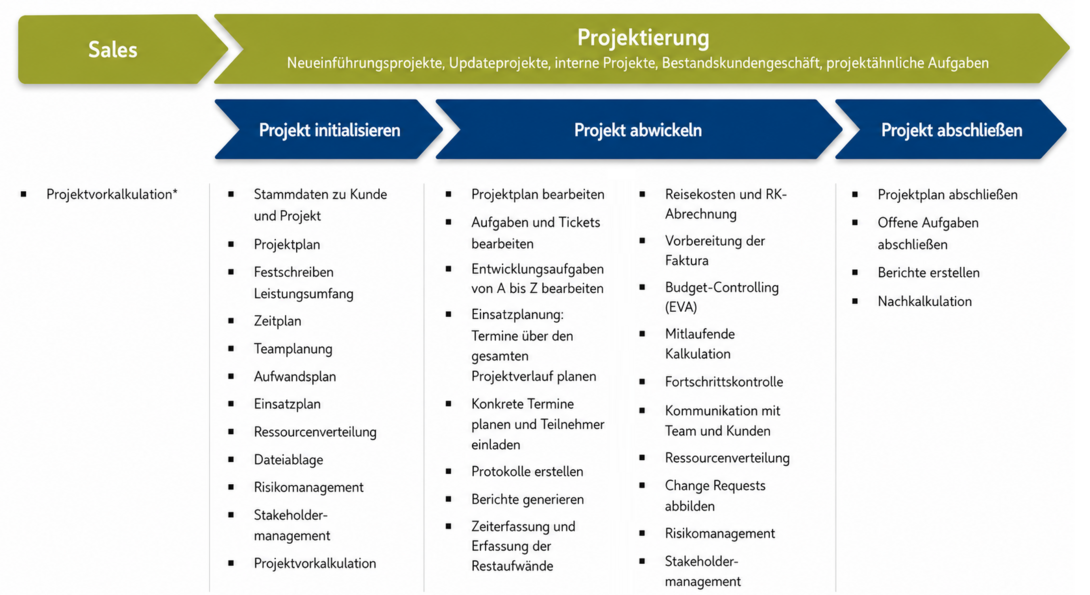
Today, BCS is a central component of our daily work and supports us in nearly all phases of project management as well as in related business processes.
Project Planning and Control
The planning and control of our projects takes place entirely in BCS. Project structures are created based on templates, which enable the quick and standardized setup of new projects. These templates contain predefined phases, tasks, and milestones that can be customized as needed.
A major advantage is the ability to version objects. Changes to project structures can be tracked, which is particularly important for complex projects with many stakeholders.
Task Management and Collaboration
Task management is a central component of our daily work. Tasks are clearly defined, responsibilities are assigned, and progress is documented. The integrated reporting functions enable project managers to transparently display the current status at any time.
Collaboration takes place across locations and departments. Teams from different countries access the same data simultaneously and work in a shared environment. This improves coordination and reduces misunderstandings.
Resource Planning
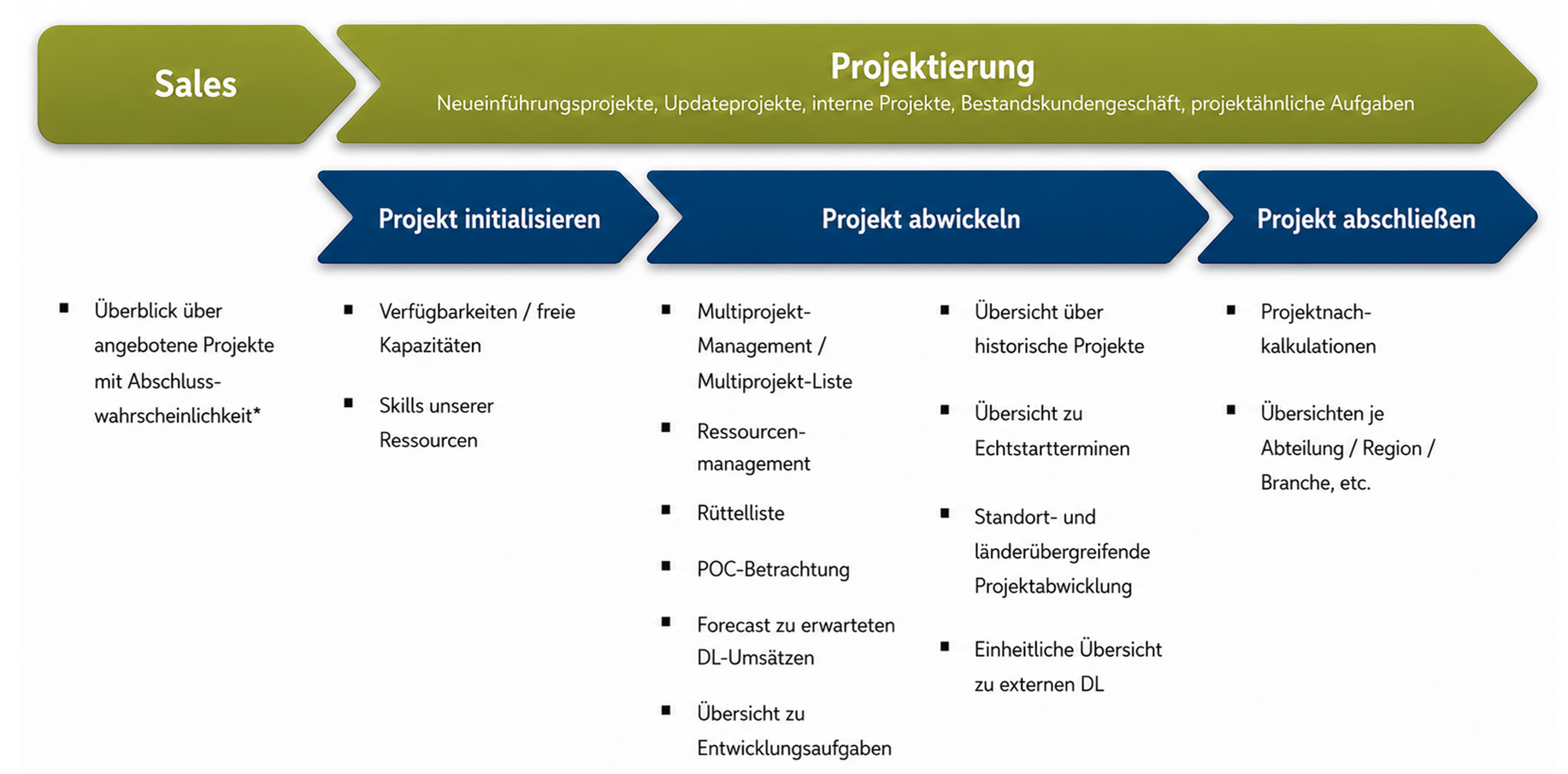
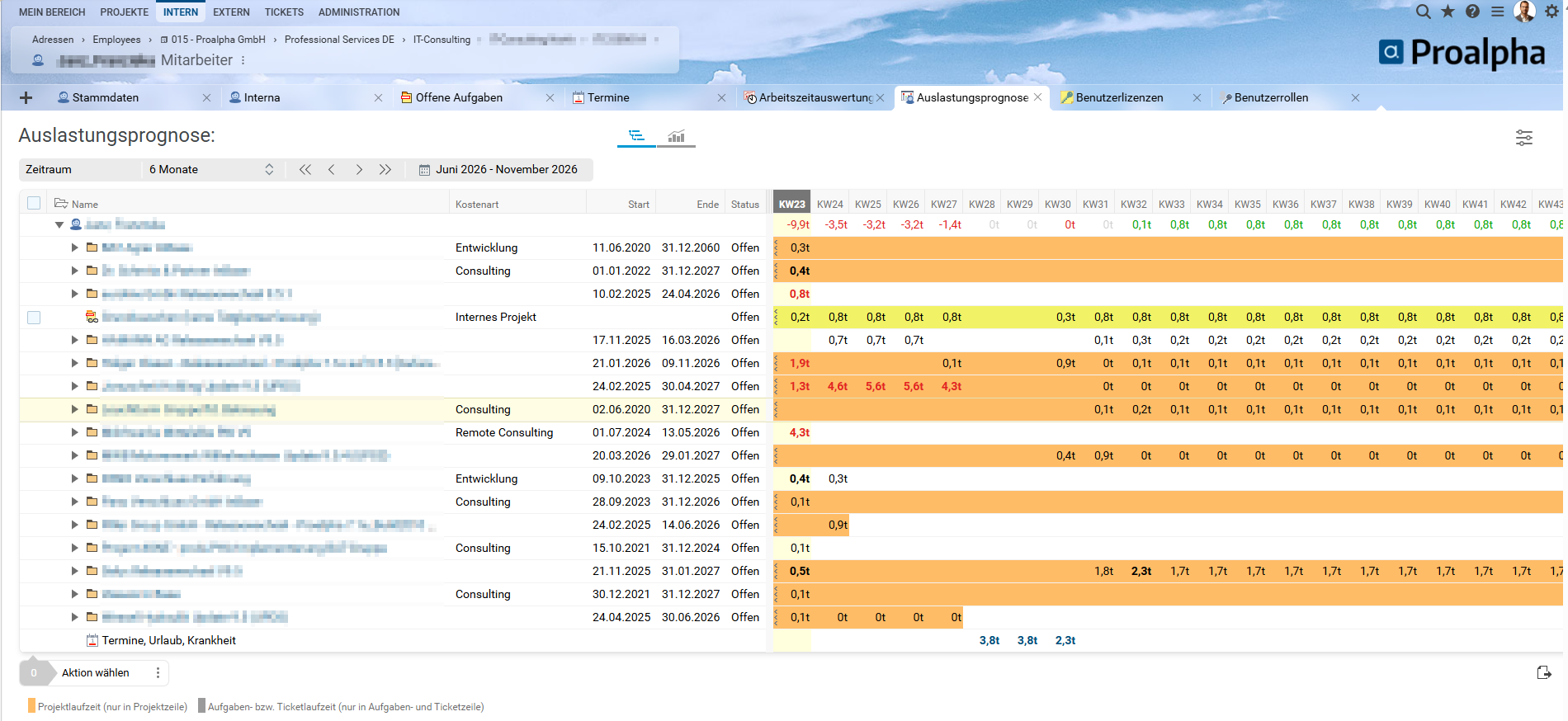
Resource planning is closely linked to project planning. Employees are assigned to projects and tasks, and workload can be analyzed in real time. This enables better capacity planning and prevents over- or underutilization.
Time Tracking and Billing
An essential component of our use of BCS is its integrated time tracking. Employees record their working hours directly in the system, creating a transparent and traceable basis for billing.
This is complemented by functions for expense and travel cost management. These processes are fully integrated into BCS and enable end-to-end processing from project initiation to invoicing.
Project Controlling and Reporting
BCS offers extensive capabilities for project controlling. Key metrics such as project progress, budget utilization, and resource utilization can be analyzed in real time. This supports both operational management and strategic decisions in portfolio management.
The reporting functions enable the creation of customized analyses and reports. These are used both internally and for clients.
Integration and Automation
A major advantage of BCS is the ability to define interfaces and automate processes. This has allowed us to deeply integrate the system into our existing IT landscape.
The administration options also allow for effective monitoring of system operations. Issues can be quickly identified and resolved.
Central Deployment as a Shared Service
We operate BCS as a central shared service. This means that the platform is deployed group-wide and continuously developed. In close coordination with Projekttron, we regularly make adjustments and incorporate requirements into product development.
Our Conclusion After Six Years with BCS: Greater Transparency, Better Control
After more than six years of use, BCS has become an integral part of our value chain. Despite the challenging implementation phase, the benefits clearly outweigh the challenges today.
Particularly noteworthy are:
high transparency regarding projects and resources
integration of various business processes into a single system
support for international collaboration
flexibility and scalability of the solution
Overall acceptance among employees is high, particularly among project managers, who appreciate the extensive planning and management features. Support and collaboration with Projektron are also viewed positively.
Looking ahead, we plan to further expand our use of BCS. Additional group companies are to be integrated, and further features are to be utilized more extensively.
The continuous development of the software, along with our close collaboration with Projektron, gives us the confidence that we will be able to successfully meet future requirements as well.