
Use cases for AI in BCS
An overview of practical areas of application for AI support and the gradual expansion of AI functions in BCS.
12/09/2025 - Articles
Artificial intelligence is not only changing the way we develop software, it is also changing the way we use software. For BCS, our project management and ERP software, this means that AI should make everyday work noticeably easier, reduce routine tasks, guide users to answers more quickly, and increase internal efficiency. While many AI initiatives focus on one-off solutions or experimental prototypes, Projektron pursues a systematic, long-term approach.
After an intensive research phase on the fundamentals of AI, RAG (retrieval-augmented generation), prompt engineering, fine-tuning, and framework design, one thing was clear: to integrate AI meaningfully into BCS, concrete, recurring use cases are needed in which AI provides real benefits.
RAG is particularly crucial here, as AI first finds relevant documents or data and uses them to generate answers, thereby minimizing hallucinations. We have documented more about our experiences with RAG in a separate blog article.
The AI use cases in BCS can be roughly divided into three categories:
Help and information provision
Support in ticket and project management
Automation of tasks via AI agents
These applications meet key criteria: They occur frequently, are well structured, have clearly definable requirements, and can be implemented in a security-compliant manner.
Even in the early stages of development, it became clear that it is not the language model alone that determines quality, but above all how tasks are defined and what context is provided. For this reason, Projektron relies on a modular framework that can be operated both locally and scalably. Individual components such as the language model, embedding model, or vector database are easily interchangeable in order to be able to respond flexibly to rapid developments in the field of AI.
The potential applications of the AI assistant in BCS range from providing information and summarizing extensive content to supporting specific workflows. We do not aim to use AI as broadly as possible. What matters is whether a use case provides recognizable value and can be meaningfully integrated into existing BCS processes.
One key area of application is software help. Users can ask questions about BCS in natural language and receive answers based on the available documentation. Instead of having to search for the relevant help page themselves, the AI retrieves relevant content and prepares it for the specific question.
Another important use case is summarizing extensive information. Especially in tickets, a problem description may be spread across numerous comments from different people. The AI assistant can condense this information and provide a quick overview of the history so far. The same principle can also be applied to other collections of information, such as contact histories, tasks or project progress information.
In addition, AI can help to put existing information into context. For a new ticket, for example, similar cases can serve as additional context. Based on this information, issues can be assessed more quickly and potential solutions can be prepared. When combined with a chat interface, such results can then be refined further.
Another direction is to connect the AI assistant more closely with functions and data within BCS. While a question such as “How do I create a vacation entry?” can be answered on the basis of the documentation, questions such as “How many vacation days do I have left?” require access to the user’s specific data.
For scenarios like these, AI agents, defined tools and interfaces such as the Model Context Protocol (MCP) play an important role. They make it possible to provide different information sources and functions for a request in a controlled way. This creates the basis for supporting not only information retrieval but also increasingly process-related tasks.
At the same time, the technical deployment model plays an important role. The modular AI framework is designed so that components such as the language model, embedding model and vector database remain interchangeable. This makes it possible to address different requirements regarding data protection, infrastructure and operation.
We maintain an up-to-date overview of which AI functions are currently available in BCS, which are being tested or developed, and how we address topics such as data protection, security and technical operation on our dedicated product page. This allows this article to focus on the underlying use cases and development approaches while the current feature status is maintained in one central location.
The use cases show that the AI assistant is much more than a search function. It forms a growing ecosystem of
assistance
automation
intelligent system queries
This ecosystem will take on more tasks step by step. BCS users benefit from
faster responses,
less routine work,
better overview,
higher automation, and
full data sovereignty.
At the same time, the assistant is growing modularly, can be operated locally including the language model, and is constantly being optimized through testing.
For more in-depth information about the development processes, optimizations of the RAG process, parent document retrieval, query rewriting, and our experiences with language models, please refer to our other blog posts on the topic of AI.
Our article series combines insights into AI development at Projektron with accessible explanations of the technologies behind modern language models.
The starting point of our development project: initial technical foundations, potential use cases and goals for integrating AI into BCS.
The article explains the requirements, modular architecture and interchangeable components behind the AI applications in BCS.

How AI Help answers questions about the BCS documentation and how retrieval, testing and feedback loops have improved answer quality.
An overview of practical areas of application for AI support and the gradual expansion of AI functions in BCS.
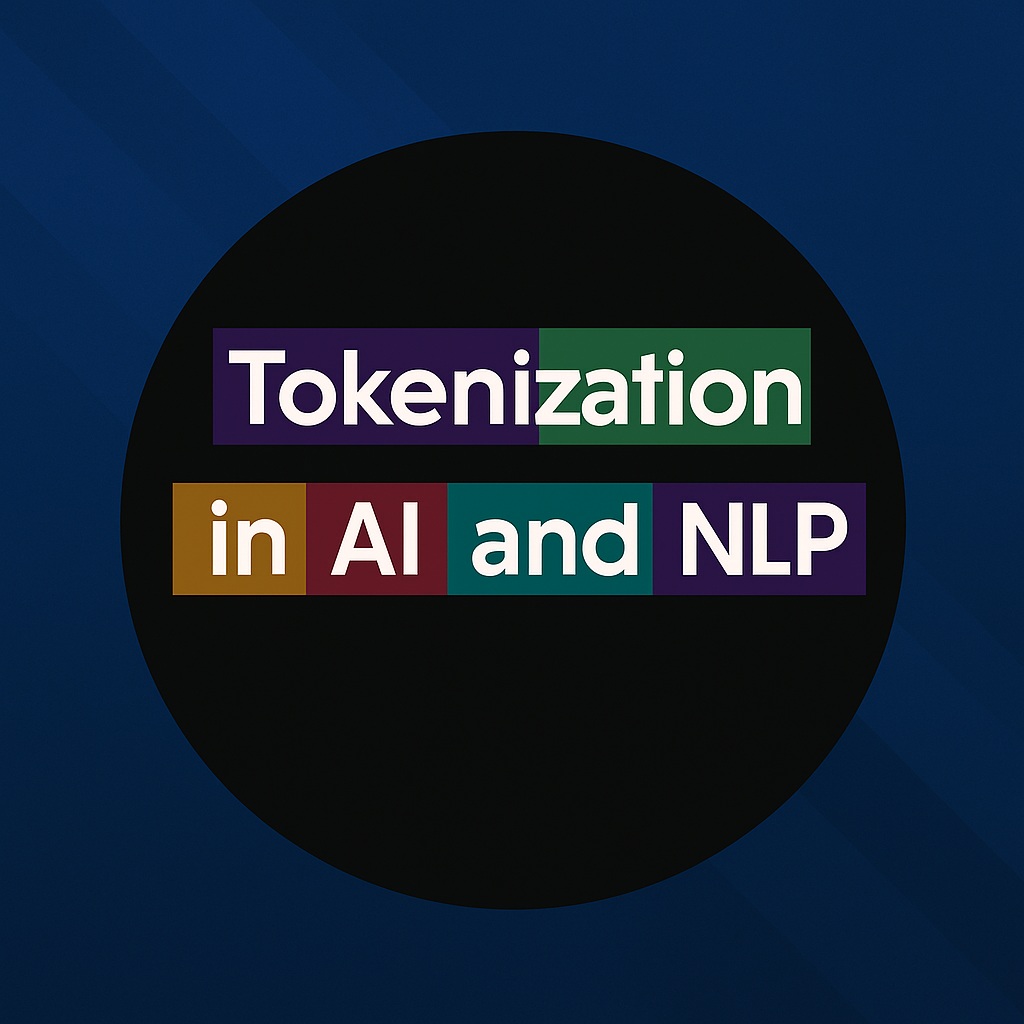
How texts are broken down into smaller units and why this segmentation affects how language models process information.

How words and content are translated into numerical vectors, making them comparable for semantic search.

How language models identify and weight relevant words and relationships within a text.

How language models are connected to defined knowledge sources to provide more context-specific and traceable answers.

Maik Dorl is one of the three founders and remains one of the managing directors of Projektron GmbH. Since its founding in 2001, he has shaped the strategic direction of the company and is now responsible for sales, customer service, and product management. As product manager, he is the driving force behind the integration of innovative AI applications into the ERP and project management software BCS.

How does software remain successful for 25 years? Projektron BCS shows that continuous updates, user feedback, and modern technologies ensure long-term success. Learn how product management works at Projektron.
Since version 25.3, the new BCS AI user help has been providing precise answers to questions about Projektron documentation. The article shows how iterative optimizations in retrieval and splitting have significantly improved the quality of responses.
Projektron is developing a flexible AI framework for BCS that can be operated entirely locally and meets the highest standards of precision, data protection, and transparency. The article shows the technical and organizational foundations required for the framework and how the architecture is structured.

For service providers, choosing the right ERP solution determines efficiency, transparency, and revenue. Our comparison highlights the best systems, explains which features truly matter, and provides valuable tips for making the right choice. Discover the ERP that will really drive your business forward!

An AI bot in front of symbolized BCS applications – visualizing Projektron's long-term AI strategy and the growing range of productive AI functions.